Expert knowledge to help you maintain healthy, thriving trees
Essential information for maintaining healthy trees
Healthy trees display several key indicators. Look for vibrant, full foliage during growing seasons, strong branch structure without excessive deadwood, and consistent growth patterns. The bark should be intact without significant cracks or peeling, and the root system should be stable without visible damage.
Regular observation helps identify potential issues early. Monitor leaf color, branch development, and overall tree vigor throughout the year. Seasonal changes are normal, but persistent problems may require professional attention.
Various factors can affect tree health, including environmental stress, improper pruning, soil conditions, and pest activity. Early detection and appropriate response are crucial for maintaining tree vitality.
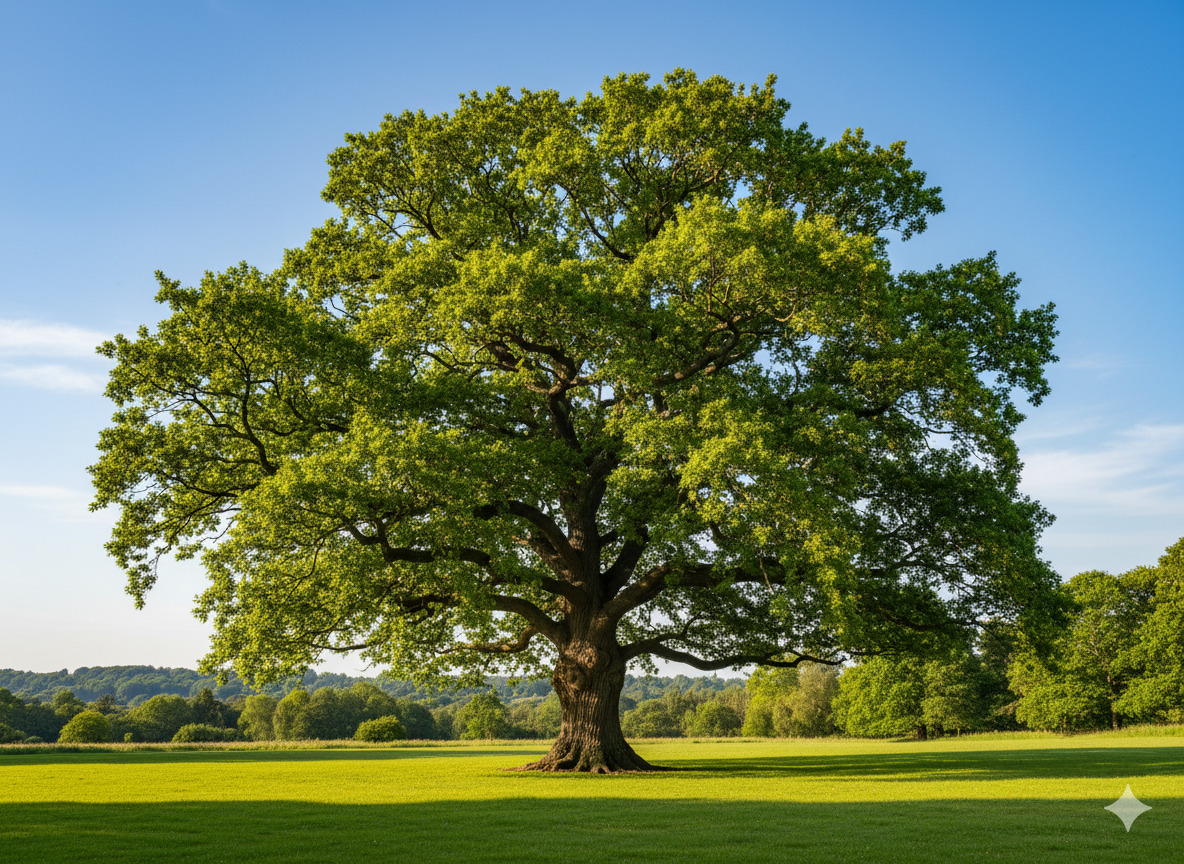
What to monitor for optimal tree care
Healthy leaves should be appropriately colored for the species and season. Discoloration, premature dropping, or sparse foliage may indicate issues.
Strong branches with proper attachment angles and minimal deadwood suggest good structural health and stability.
Intact bark protects the tree's vital systems. Significant damage, cracks, or peeling may require professional evaluation.
Consistent, appropriate growth for the species and age indicates healthy development and adequate resources.
When to seek expert evaluation
Comprehensive examination of foliage, branches, bark, and overall tree structure to identify visible issues and concerns.
Detailed assessment of tree condition, including identification of potential problems and recommendations for care.
Personalized guidance on maintenance practices, pruning needs, and long-term care strategies for optimal health.
Our certified arborists can assess your trees and provide expert care recommendations
We use cookies to enhance your browsing experience and analyze site traffic. By continuing to use this site, you consent to our use of cookies.